Cherry Blossom Season in Japan 2027: Peak Dates, Best Spots and How to Plan


Photo: Sampo Kuokkanen / Japan Voyage (All rights reserved)
Cherry Blossom Season in Japan 2027: Peak Dates, Best Spots and How to Plan
Japan's cherry blossom season is short and crowded, so it pays to plan. The blossoms usually open in Tokyo, Kyoto and Osaka in the second half of March and reach full bloom in the first week of April, then move north to Tohoku in mid-April and Hokkaido in late April and early May. The 2027 forecasts are not out yet. The first ones usually arrive in January, so the dates in this guide are the typical averages you can use to choose a week and book refundable accommodation now.
This guide covers when the bloom usually arrives, the spots that are worth the crowds, how hanami etiquette works, and a realistic booking timeline. It links to the destination pages for each place so you can check opening hours and transport before you commit.
When is cherry blossom season in Japan?
Cherry blossoms do not open on the same date every year. A warm February and March can bring the first flowers a week early; a cold snap can hold them back. Each tree also has its own clock: some bloom for a few days, others for two weeks. The useful planning window is wider than the single "peak day" that news reports focus on.
These are typical averages, not 2027 predictions:
Region | Typical first bloom | Typical full bloom | Notes |
|---|---|---|---|
Tokyo | Late March | End of March to early April | Somei Yoshino is the main variety; Shinjuku Gyoen also has early and late varieties |
Kyoto and Osaka | Late March | Early April | The busiest week of the year in Kyoto; book early and start at dawn |
Kanazawa and the Hokuriku coast | Late March to early April | Early April | Around Kyoto's peak or a few days after, with fewer international visitors |
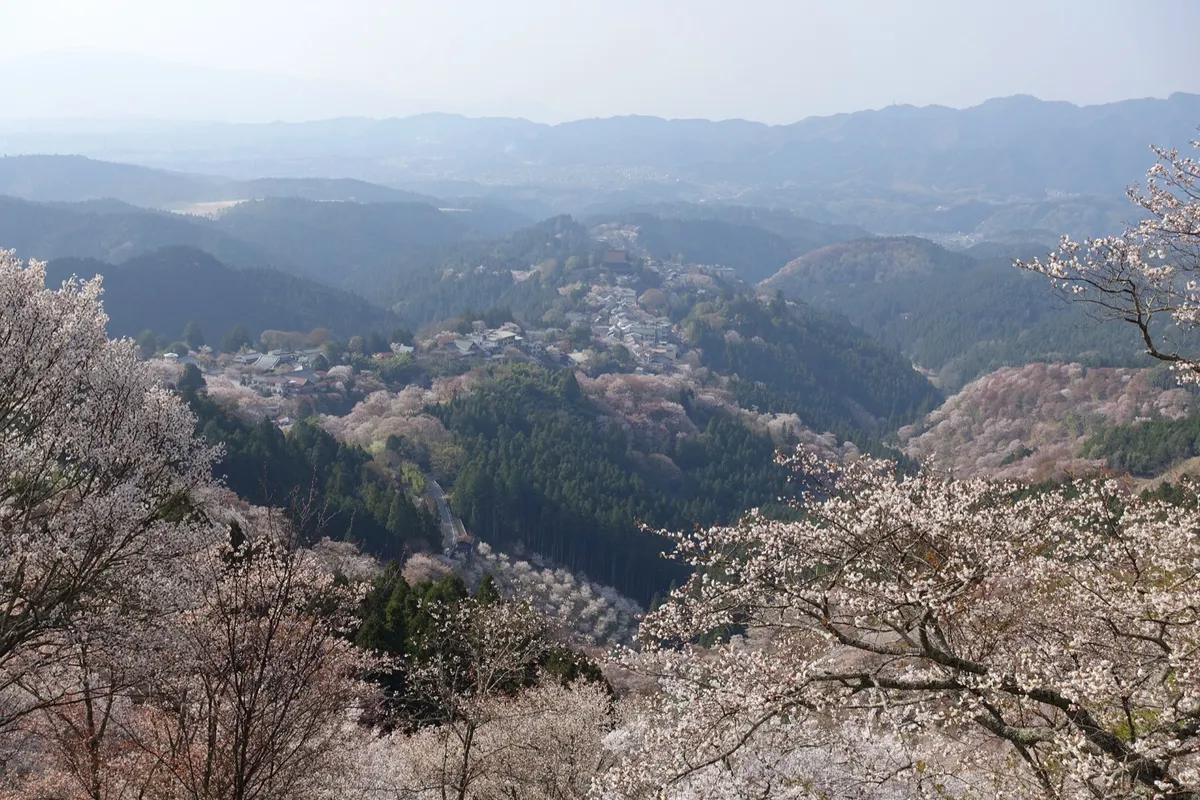
Yoshino, Nara | Early April on the lower slopes | Early April low down, mid to late April at the top | About 30,000 trees at different elevations, so the mountain blooms in stages |
Matsumoto, Nagano | Early April | Mid-April | Later than Tokyo because of the altitude; cherry trees line the castle moat |
Tohoku (Sendai, Hirosaki, Matsushima) | Early to mid-April | Mid to late April | Hirosaki's cherry blossom festival runs from mid-April to 5 May (16 April to 5 May in 2027) |
Hokkaido (Hakodate, Sapporo) | Late April | Late April in Hakodate, early May in Sapporo | The last chance in a normal year; some years run into Golden Week |
What about 2027? The Japan Meteorological Corporation, Weathernews and tenki.jp publish their first cherry blossom forecasts in January and update them weekly through the season. Book a refundable hotel for a likely week, then adjust when the first forecast lands. If your dates are fixed, choose a city with several varieties and a long season, such as Tokyo, rather than a single famous tree.
How the season moves
The bloom moves north and uphill. The "sakura front" starts in Kyushu and the Pacific coast, reaches the big cities of Honshu in late March, climbs into Tohoku in April and finishes in Hokkaido in May. Altitude matters as much as latitude: Yoshino's lower slopes can peak two weeks before its upper trails, and mountain parks around Kyoto are later than the city centre.
Weather decides the exact dates. A stretch of warm, sunny days pushes the flowers open; rain and wind bring them down early. After full bloom, a tree usually holds its flowers for about a week, then petals fall for another few days. That falling stage, when the ground and canals turn pink, is part of hanami rather than a failure.
Useful terms for forecasts: kaika is the first flower opening, mankai is full bloom, chirihajime is the start of the petal fall, and hazakura is the tree in leaf after the blossoms are gone. Forecast maps usually show the first three by region.

Tokyo: the easiest first trip
Tokyo has the widest choice and the best transport, which makes it forgiving if your dates move a few days.
Shinjuku Gyoen
Shinjuku Gyoen suits a first hanami because its season is long. The garden holds about 900 cherry trees of some 65 varieties, so the season starts with early blossoms in March and lasts into late April. It charges a small admission and opens at 9:00. It normally closes on Mondays, but opens every day during the blossom season. Go at opening time; by late morning on a weekend the paths around the main lawn are crowded.
Ueno Park and Chidorigafuchi
Ueno Park has the classic Tokyo hanami scene: a long avenue of trees, food stalls and groups sitting on blue tarps. It is free and very busy. For a quieter walk, go to Chidorigafuchi, the moat on the west side of the Imperial Palace, where the trees hang over the water and rowing boats pass underneath. Both are best before 9:00.
If you have a spare morning, the Meguro River is a pleasant neighbourhood walk, and the gardens at the Nezu Museum and Happo-en are smaller and calmer than the headline spots.
Kyoto: the crowded classic
Kyoto is Japan's classic cherry blossom city, and in the first week of April the crowds show it. The temples open early, so the practical strategy is to see one famous site at opening, walk to a second before lunch, and leave the afternoon for gardens and food rather than another queue.
The Philosopher's Path and Maruyama Park
The Philosopher's Path follows a canal from Ginkakuji to Nanzen-ji for about two kilometres. It is free, lined with cherry trees, and at its best in the early morning before the tour groups arrive. Maruyama Park, near Yasaka Shrine, has the huge weeping cherry tree that is lit in the evening during the season. Both are public spaces, so there is no ticket and no closing time.
Daigo-ji and the weeping cherries
Daigo-ji, south of central Kyoto, is where Toyotomi Hideyoshi held his famous hanami party in 1598. Its cherry walk and five-storey pagoda make a good half-day trip, and the temple is less packed than Kiyomizu-dera. Some halls and the treasure hall charge separately.
Arashiyama and the riverside
Arashiyama has cherry trees along the Katsura River and around Togetsukyo Bridge, with the hills behind them. Tenryu-ji's garden is a short walk from the bridge and charges a small fee. This is a good place to combine blossoms with a bamboo grove walk, but go on a weekday if you can.
Kiyomizu-dera and Nijo Castle also have trees in their grounds. Kiyomizu-dera opens at 6:00, which is the only way to see it without a crowd. Nijo Castle's garden is flat and easy, and the castle rooms are worth the ticket even in the rain.
Osaka, Himeji and Yoshino
Osaka Castle Park has about 3,000 cherry trees, and the park itself is free. The castle keep and the Nishinomaru Garden charge admission, but you can picnic under the trees on the surrounding lawns without paying. The park is a short walk from Osakajokoen Station on the Loop Line.
Ibaraki, a city north of Osaka, has farming villages in its northern hills, and the Miyama area there keeps its old rural landscape. Miyama no Sato, a farm shop run by a local farmers' cooperative, sells local vegetables and rice and has a small tea house. Cherry trees line the stream beside the shop. It closes on Tuesdays and over the New Year holidays.

Himeji Castle is a white castle with cherry trees around the moat. It is 30 to 50 minutes from Osaka or Kyoto on the shinkansen, and the castle opens at 9:00. The keep gets busy in blossom season, and the climb through it is steep, so allow at least half a day.
Mount Yoshino, south of Nara, is Japan's classic mountain hanami. The slopes hold about 30,000 trees, and the bloom climbs the mountain over several weeks. The village is reached by train to Yoshino Station, then the ropeway or a seasonal bus, and the upper trails need walking. It is a full day from Kyoto or Osaka, and the weekend crowds are heavy.
Kanazawa, Mount Fuji and Matsumoto
Kenroku-en in Kanazawa is one of Japan's three great gardens. The cherry trees around the pond bloom in early April, around the same time as Kyoto or a few days later, and the garden is quieter. When the cherries bloom, the garden usually opens free for about a week, evenings included, with the trees lit up after dark. The dates follow the bloom and are announced at short notice, and that week is the garden's busiest of the year. Kanazawa is about two and a half hours from Tokyo by shinkansen, so it works as an overnight stop between Tokyo and Kyoto.
Chureito Pagoda, on the hillside above Fujiyoshida, is the view of the five-storey pagoda, the cherry trees and Mount Fuji that appears on many Japan travel posters. It is free, reached by a long stone stairway, and best at sunrise. Early to mid-April is the usual peak. The same park has autumn colour in November and far fewer people.
Matsumoto Castle in Nagano blooms later, usually in mid-April, when cherry trees along the moat frame the black keep and the red bridge. Matsumoto is about two and a half hours from Shinjuku on the Azusa limited express, and you can continue to Kyoto via Nagoya, a route through the mountains.
Tohoku and Hokkaido: the late bloom
If you miss the last week of March, head north instead of giving up. Hirosaki Park, the grounds of Hirosaki Castle in Aomori, has about 2,600 cherry trees of 52 varieties around its moats and the keep. The Hirosaki Sakura Matsuri runs from mid-April to 5 May (16 April to 5 May in 2027), and the trees are lit in the evening. It is a long trip from Tokyo, so plan at least one night in Aomori or Sendai.
Far up the Sanriku coast in Iwate, cherry trees stand in front of Sōtoku-ji, a Sōtō Zen temple in Omoto, Iwaizumi. It is next to Hama-no-eki Omoto Aidokan, a seaside market that sells local seafood, so if you are driving the coast road and stop at the market, the temple is a short walk away.

In Hokkaido, Matsumae Park on the southern tip and Goryokaku Fort in Hakodate are the classic late spots. Matsumae and Hakodate usually bloom in late April, and Sapporo's Maruyama Park and Hokkaido Shrine in early May. Golden Week, from late April to early May, makes transport and hotels expensive, so book those dates furthest in advance.
Goryokaku in Hakodate
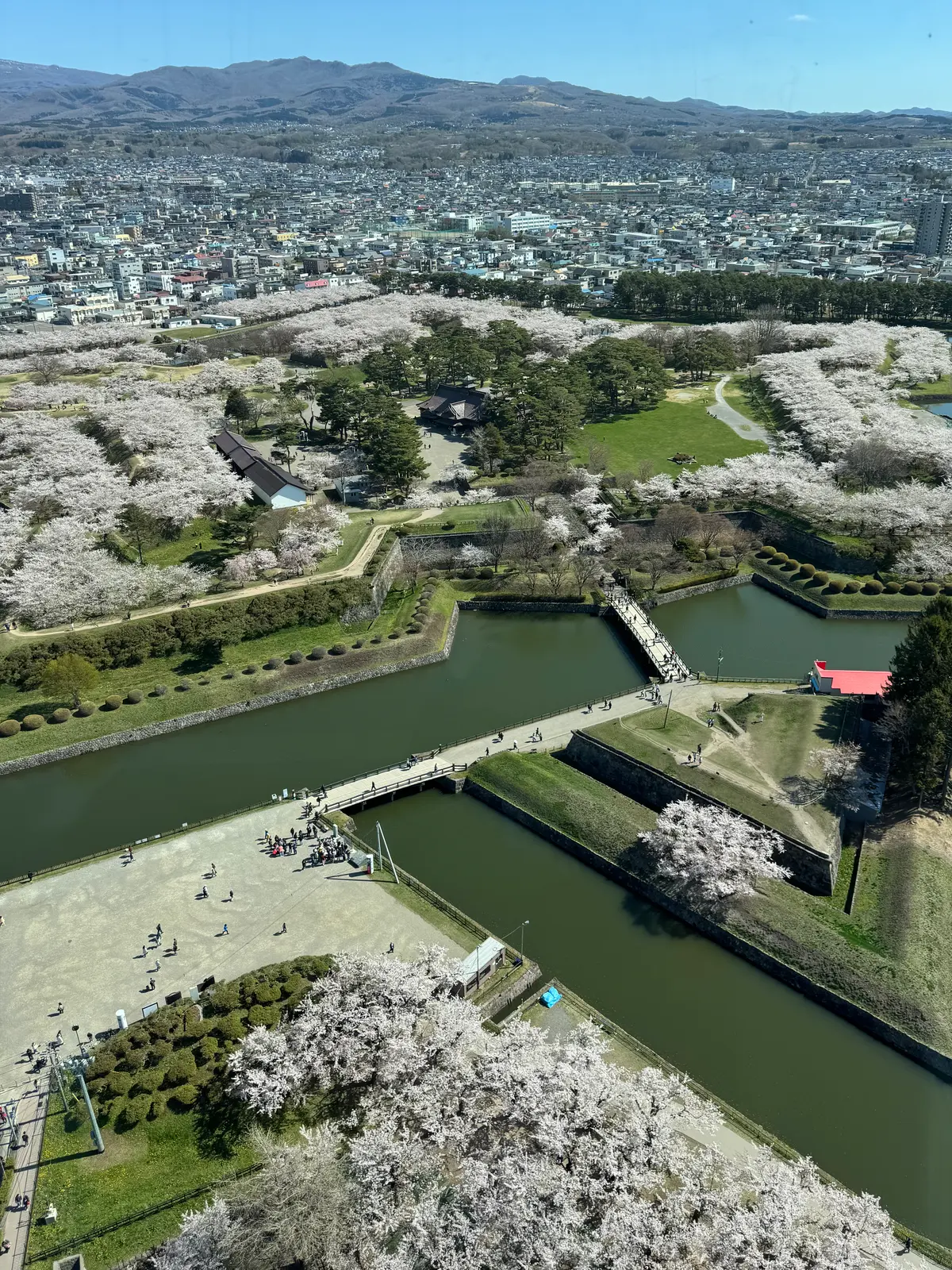
Goryokaku Park in Hakodate is a star-shaped fort surrounded by a moat. About 1,500 cherry trees, mostly Somei Yoshino, grow in and around it, and they usually bloom from late April to early May, around Golden Week. The Somei Yoshino sample tree that the Hakodate weather office uses to declare the city's first bloom stands in the park. The area inside the moat is open from 5:00 to 19:00 between April and October.
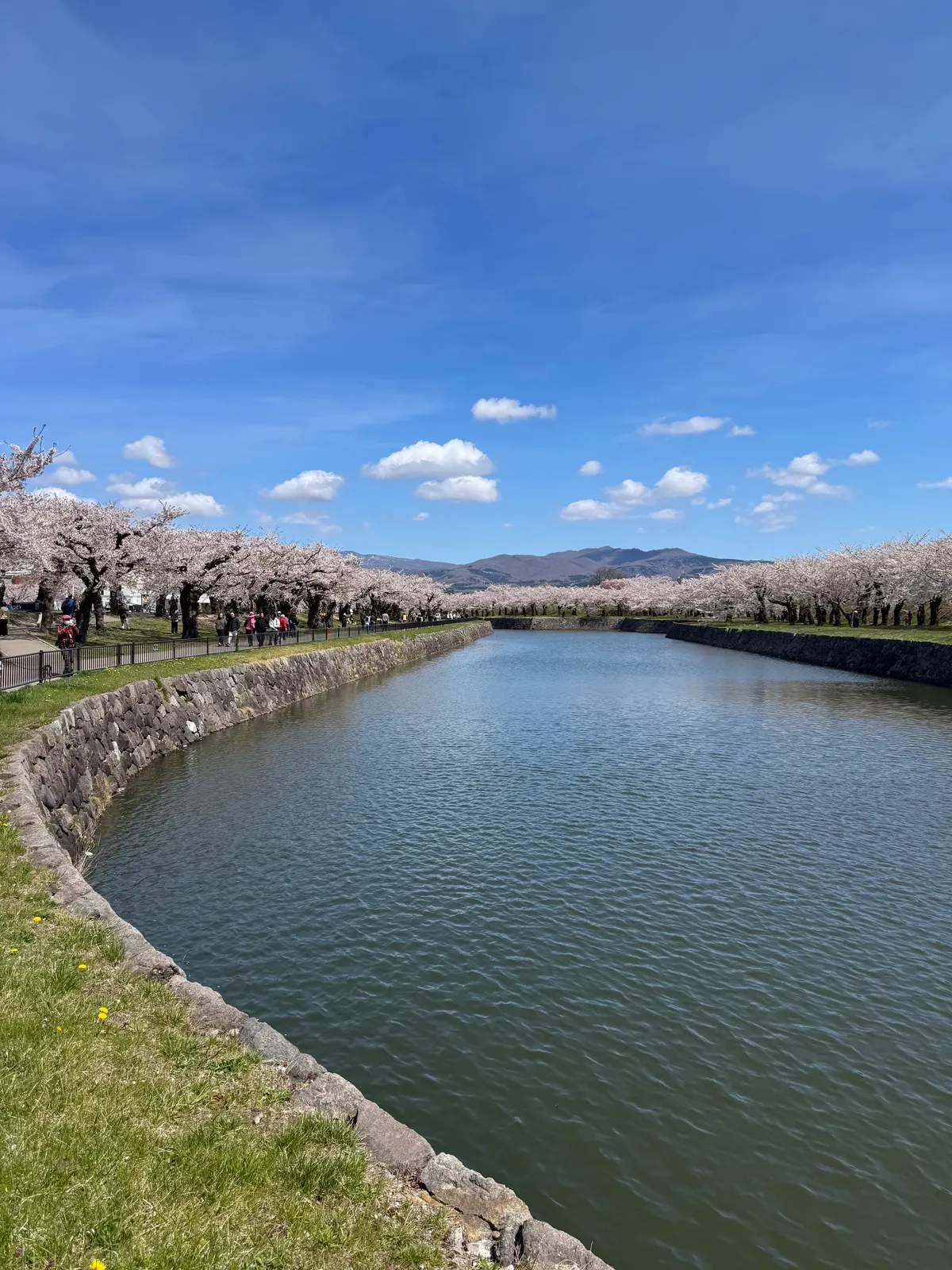
Every spring the city lights part of the trees outside the moat, on the south side. In 2026 the lights were on from 21 April to 6 May, 19:00 to 21:00. During the hanami season, charcoal and gas grills are allowed in marked areas outside the moat, but no fire is allowed inside the fort.
To see the star shape, go up Goryokaku Tower, next to the park. Its upper observation deck is 90 metres above the ground. The tower charges admission, and its prices change on 1 April 2027, so check the current fee before you go.
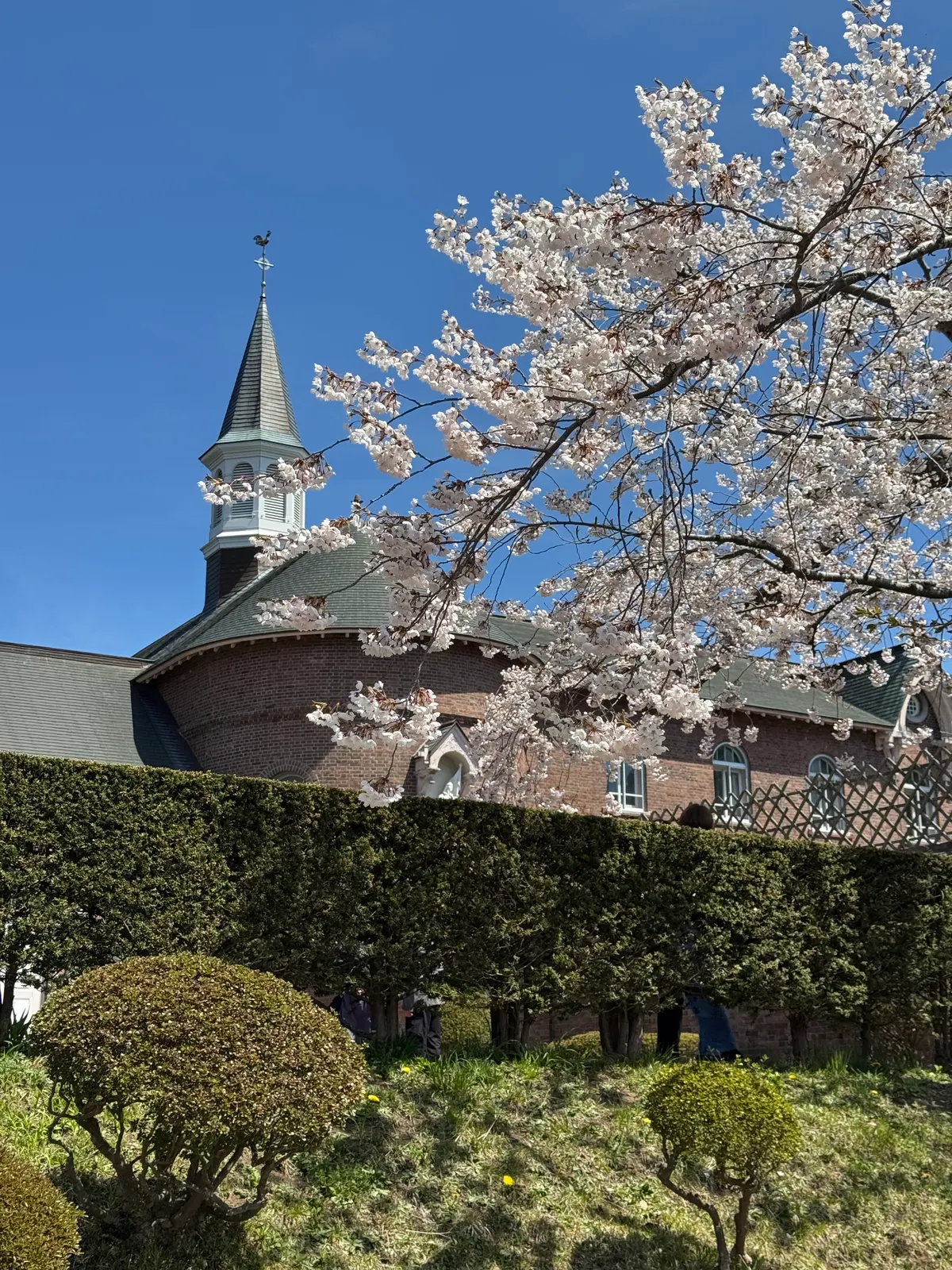
The Trappistine Convent, in the east of Hakodate, was founded in 1898 as Japan's first contemplative convent for women. Visitors can enter the front garden and a small exhibition room beside the shop; the rest of the convent is closed to the public.
Hanami etiquette: the rules that matter
Hanami is a picnic in public, not a festival with a single organiser. The rules depend on the park or temple, but these are the ones that cause the most trouble:
- Do not pick, shake or climb the trees. Blossoms are fragile, and climbing damages bark.
- Take your rubbish home. Many parks remove bins during the season because the volume is too high. Bring a bag.
- Check the alcohol rules. Some parks allow it, others ask you not to drink, and some ban it during the busiest weeks. Rules change, so read the park's current notice.
- Do not reserve a spot with tape or cones. Blue tarps are common, but many parks ban overnight reservation and ask people to arrive in the morning.
- No drones. Drones are banned in most public parks and temple grounds, and busy crowds make them dangerous.
- Keep the paths clear. Do not block bridges or narrow temple walkways for photos. If a queue forms for a view, take your turn and move on.
- Respect temple rules. Some temples ask for no photography on certain bridges or in halls, and a few ban tripods. Follow the signs even when everyone else ignores them.
- Do not feed animals or birds. It attracts pests and damages the grounds.
If you want a quiet picnic, choose a neighbourhood park or a riverside rather than Ueno or Maruyama. The blossoms are just as good and the atmosphere is calmer.

How to plan a 2027 trip
Choose a region, not a single date. Cherry blossom forecasts are more reliable two weeks out. Book refundable flights and hotels for the likely week, and keep the option to shift a few days. If you must fix dates, add a second city with a later season, such as Sendai or Hirosaki.
Book accommodation early. Kyoto and Tokyo hotels fill up for the first week of April, and prices rise sharply. The best value is usually a business hotel near a station, or a ryokan outside the centre with a direct train line. For Yoshino, staying in Nara or Yoshinoyama itself is better than a day trip from Kyoto.
Use trains, not taxis. The shinkansen and local trains are reliable, and blossom-season traffic in Kyoto and Kamakura is bad. Reserve shinkansen seats for the first days of April if you are travelling between cities. An IC card covers local trains and buses in the big cities.
Go early and go on a weekday. Temples and gardens open between 6:00 and 9:00. The difference between 7:00 and 11:00 at Kiyomizu-dera or Chureito Pagoda is enormous. Weekdays are calmer than weekends. Many museums close on Mondays, so check each site.
Watch the forecasts, not the news. The Japan Meteorological Corporation, Weathernews, tenki.jp and Weathermap all publish weekly updates. Check the map two weeks before you fly, then again three days before. A single cold night can move a peak by several days.
Leave space for rain. April is changeable. A rainy day is the time for a castle interior, a museum, a covered market or an onsen. Do not schedule every day outdoors.
Three sample itineraries
Nights | Route | Why it works |
|---|---|---|
5 nights | Tokyo (2 nights), Kyoto (3 nights) | The two easiest cities, one shinkansen hop, and enough time for one day trip to Osaka or Himeji |
7 nights | Tokyo (2), Kyoto (3), Osaka or Himeji (1), Nara/Yoshino (1) | Adds a castle and the mountain hanami without too much moving |
10 nights | Tokyo (3), Kanazawa (1), Kyoto (3), Osaka (1), Hiroshima or Sendai (2) | Gives you a later-season option in the north, or a quieter finish in western Japan |
A realistic day looks like this: one famous spot at opening, a walk or garden before lunch, a long lunch, a quieter neighbourhood or museum in the afternoon, and an early dinner. Trying to see three headline temples in one day in Kyoto means spending most of it in traffic.
If you miss the peak
Cherry blossom season is longer than the news suggests. Before the Somei Yoshino opens, plum blossoms (ume) bloom in February and March, and Kawazu-zakura on the Izu Peninsula opens in February. After the main season, shibazakura (pink moss) covers the fields of Fuji Five Lakes in May, and wisteria and azalea follow.
If you arrive after the bloom has passed the big cities, Tohoku and Hokkaido are a second chance. If you arrive before it, look for early varieties such as Kawazu-zakura, or watch the front reach the cities while you travel. If you are in Japan for a fixed week and the bloom is over, do not chase it across the country: choose gardens, castles and food instead, and enjoy the quieter temples.
What to eat and buy
Sakura mochi, a pink rice cake wrapped in a salted cherry leaf, is the season's signature sweet. Hanami dango, three coloured dumplings on a stick, appears everywhere in March and April. Sakura-flavoured tea, salt, syrup and even sakura latte are sold in convenience stores and cafés.
For a picnic, buy food at a department store basement or a convenience store the night before. Many parks have no tables, so bring a mat. Alcohol rules vary, so check before you buy.
Useful souvenirs are salted cherry blossoms for cooking, sakura-patterned tenugui cloths, and locally made sweets. Avoid buying "sakura" products that are just pink-coloured sugar; read the label for actual cherry leaf or flower.
Frequently asked questions
When is the best time to see cherry blossoms in Japan in 2027?
For Tokyo, Kyoto and Osaka, the last week of March to the first week of April is the usual window. For Tohoku, mid to late April; for Hokkaido, late April to early May. The 2027 forecasts will refine these dates from January.
Do I need to book cherry blossom events in advance?
Most public parks and temple grounds need no booking. Some evening light-ups, tea ceremonies and restricted garden openings sell timed tickets, and popular ryokan and hotels need booking months ahead. Check the official page for each spot in the week you go.
Is hanami free?
Many parks, river walks and castle grounds are free. Temples and gardens usually charge a small admission, and some charge extra for special halls or night openings. Budget about ¥500 to ¥1,500 per paid site.
Can I see cherry blossoms if I arrive in May?
In most of Honshu the main season is over by late April. Hokkaido and high mountain areas can still have blossoms in early May, and shibazakura and wisteria are at their best then.
Are cherry blossoms edible?
Double-flowered varieties such as yaezakura are salted or pickled for food, but you should not eat blossoms picked from a park or street tree. Buy food-grade salted blossoms from a shop.
What should I wear?
April in Honshu is mild but changeable: a light jacket, comfortable walking shoes and a folding umbrella. Temples and castles involve stairs and gravel paths. Bring a mat or sheet if you plan to picnic.
Cherry blossom spots at a glance
Spot | Area | Typical peak | Why go | Cost and access |
|---|---|---|---|---|
Shinjuku Gyoen | Tokyo | Late March to late April | Many varieties and a long season | Small admission; 10 minutes from Shinjuku Station |
Ueno Park | Tokyo | Late March to early April | The classic city hanami party | Free; next to Ueno Station |
Philosopher's Path | Kyoto | Early April | Canal-side walk under the trees | Free; bus or subway to Ginkakuji or Nanzen-ji |
Daigo-ji | Kyoto | Early April | History and a big cherry walk | Temple admission; subway to Daigo |
Arashiyama | Kyoto | Early April | River, bridge and hills | Free streets; Tenryu-ji garden charges |
Osaka Castle Park | Osaka | Late March to early April | Big free lawns and the castle | Park free; keep and garden charge |
Himeji Castle | Hyogo | Early April | White keep above the blossoms | Castle admission; 20-minute walk from Himeji Station |
Mount Yoshino | Nara | Early to late April, by elevation | 30,000 trees on a mountain | Free slopes; train and ropeway or bus cost extra |
Kenroku-en | Kanazawa | Early April | One of Japan's great gardens | Small admission, free for about a week at peak; bus from Kanazawa Station |
Chureito Pagoda | Yamanashi | Early to mid-April | Pagoda, blossoms and Mount Fuji | Free; steep stairs from Shimoyoshida Station |
Matsumoto Castle | Nagano | Mid-April | Black castle, red bridge, blossoms | Castle admission; 15 minutes from Matsumoto Station |
Hirosaki Castle | Aomori | Mid to late April | Castle moat lined with trees | Park free; castle charge; train from Tokyo |
Dates, opening hours and prices change. Check the official site or the local tourist association for the week you travel, and treat this guide as a planning framework rather than a timetable.


